Monday, October 11, 2010

Lissoni designed Studio M hotel in Singapore

The new Studio M hotel is situated on the Singapore River, just a short walk from the Clark Quay district.  The hotel reception is the symbol of this project and is fitted out to resemble a modern temple with glass walls.  The guests are welcomed in this evocative space which accommodates two imposing sculpture tables, white painted metal islands, over one of which hangs a five-meter high over sized lamp in steel tubing. 


In addition to redefining the entrance and outfitting the room interiors, the work also envisages the design of the public areas.  A large open space, situated on the second storey, becomes a multi-functional area to include the hanging gardens with palms, bamboo and mirrors of water, the pool, the lounge area, the bar restaurant and also the areas given over to fitness, meditation, and relaxation.


The ventilation was left intentionally simple and natural in the garden through the use of wooden ceiling fans, so highlighting the desire to bestow the feeling of a protective and relaxing atmosphere, in Stark contrast to the frenzy of city life.

The interiors of this floor are organized to combine the simplicity of the wide and open surfaces with the elegant refinement of original and apposite articles, mixed furnishings ranging from vintage to colonial, from multi-ethnic to contemporary.  The lounge-restaurant area is fitted out with freestanding cooking stations and includes a modern take on the English pub, a bar overhung by a large cloud-like fiberglass lamp which casts an aura of light similar to that of an oriental lantern.  The ceiling is covered in anthracite colored bamboo cane.

The duplex rooms with separate bed and living/office areas connected by stairs are conceived both for rest and for work.  Large windows overlook the river, the internal garden and the city skyline, the main point of reference for this project.    

Text courtesy of Lissoni Associati.


Wednesday, October 6, 2010

Splendor in the Grass

by Jamie Gross for The New York Times T Magazine.


The San Francisco Patient and Resource Center, or Sparc, is not your average pot club. There’s no peephole or scary-looking security guy, no skunky couches or blackened windows. Instead, a collegiate ‘‘community liaison’’ stands by the door answering questions from passers-by and checking membership cards and paperwork. (There’s no fee to join, but you need a doctor’s recommendation to enter.) And with its minimalist oak tables and benches, and jazz on the stereo, Sparc could easily be mistaken for a Japanese teahouse. Welcome to the medical marijuana dispensary of the future.


‘‘Cannabis buyer’s clubs’’ began cropping up in San Francisco in the late 1990s, after Proposition 215, which passed in California in 1996, removed criminal penalties for people who grew or possessed cannabis for their own medical use. Since then, a hodgepodge of legislative enactments and judicial decisions has more or less legalized the medical use of marijuana; today Sparc is one of 24 licensed dispensaries in San Francisco. In November, residents will vote on Proposition 19, a statewide ballot initiative that could legalize marijuana for recreational use in California.

Sparc’s founder, Erich Pearson, has legally grown cannabis in Sonoma and San Francisco Counties for the past 12 years, selling it to medical dispensaries and supplying it for free to critically ill patients in hospices. (Marijuana has been shown to alleviate nausea, neuropathy, pain and insomnia, and to stimulate appetite.) Two years ago, wanting more direct contact with patients, he decided to open his own dispensary, and in the process created a new model for marijuana distribution.

Pearson enlisted Sand Studios, a local architecture firm, to design a space that would help ‘‘remove the stigma around cannabis and make people feel marijuana is normal.’’ After all, as he acknowledged, ‘‘if we’re asking the government and citizens to allow medical cannabis, we have to show them a model they can feel comfortable with.’’

The designer Larissa Sand toured a handful of Bay Area dispensaries to gain a better understanding of the business. (‘‘Nothing against marijuana, but fine wine is my drug of choice,’’ Sand said.) While she was impressed with the sense of community and professionalism among growers and retailers, she found most dispensaries lacking when it came to aesthetics. ‘‘There was nothing current,’’ she said. ‘‘I wanted to create something beautiful, to elevate the product and give it the proper milieu.’’

To that end, Sparc is spare, modern and well lit. Vaguely bong-shaped lights made of borosilicate science glass drip from the ceiling. Steel shelving holds dozens of apothecary-style wood boxes, each containing a different strain or form of lab-tested cannabis. Along another wall, a similar rack displays baby plants for sale. The sales counter is made of local oak, with inset glass-topped drawers exhibiting buds, salves and edibles like snickerdoodle cookies and ‘‘cosmic caramels.’’ According to Sand, such attention to detail sends a message to regulators and members alike that ‘‘this isn’t just some backyard moonshine.’’

Of all Sparc’s design moves, Pearson is proudest of the facility’s semitransparent facade — a cascading grid of steel and glass patterned loosely on marijuana’s DNA and peppered with clear aquamarine panes. It was inspired in part by the Twin Peaks Tavern, a still-extant gay bar in the Castro that is said to have been the first in America to have clear windows (rather than blacked out) when it opened in 1972. ‘‘A glass facade represents transparency, legitimacy and a sort of coming out of the closet,’’ Pearson said. ‘‘It lets people know we’re not afraid of anything, that there’s no shame in it. It’s therapy for a lot of people.’’

Monday, October 4, 2010

Martino Zanotta visits the California Academy of Sciences


During Martino Zanotta's trip to San Francisco, he visited the California Academy of Sciences where DZINE had placed the Cumano table from Zanotta.

The Cumano table was designed by Achille Castiglioni in 1978. He was inspired by the archetype models of folding ironing tables for outdoor use which date back to the late 1800. In redesigning this table, Castiglioni concentrates his attention on the particulars and details, to improve and exalt the product’s functionality.

The outdoor table consists of an enamelled metal top that is supported by three steel rods. A rotating joint moves the legs so that the table may be folded flat. After folding, it can be put away or hung up on the wall with a specially designed wall peg that comes with the table.


Wednesday, September 29, 2010

Martino Zanotta's Lecture at CCA and Dinner at DZINE


Last week was very inspiring and educational with Martino Zanotta, the President and CEO of Zanotta SpA, in town. He arrived in San Francisco last Wednesday to give a lecture at California College of the Arts, coordinated by the school's furniture program and DZINE.

With an audience of over 120 design enthusiasts and professionals, Martino Zanotta shared the story of the company which was founded in 1954 by his father, Aurelio Zanotta. A video presented the long history of Zanotta and included interviews with a number of design icons, such as Enzo Mari, Gae Aulenti and Achille Castiglioni. The new breed of designers collaborating with Zanotta, such as Damien Williamson and Noe Duchaufour Lawrance, was also given time on the video to share their unique stories behind the products. Zanotta, unlike many other furniture manufacturers, never focused on just one vision or one designer. Instead, Aurelio looked to produce an eclectic collection of pieces, and always felt his company to be a design company, rather than only a manufacturer. Zanotta has been the leader in furniture design because of it's innovation and use of materials, as it has never stopped questioning design and has resulted in many breakthrough pieces. The ‘Throw-Away’ was the first all foam sofa and the most well-known 'Sacco', developed over 40 years ago, was the very first bean bag chair, symbolizing freedom and nonconformity. Pieces from Zanotta’s collection are held in numerous museums around the world. Many of Zanotta's products are often duplicated, but this only reinforces the significance of the original design.

Today, the company is still run by the Zanotta family and from the way that Martino speaks about it, is likely to stay that way. Zanotta’s vision began with Aurelio Zanotta and continues with the next generation and partnerships with new designers.

Following his presentation Martino opened up the floor for Q&A, where he was able to touch upon topics of sustainability, company direction, relationship between manufacturer and designer, the future of design, and advances in technology.

The following evening, Martino Zanotta joined DZINE for an intimate dinner in his honor. About 25 guests were given the unique opportunity to mingle and dine with Martino, as well as a personal tour through each of the pieces displayed at DZINE.


Friday, September 17, 2010

Lecture with Martino Zanotta-September 22, 2010 at CCA 7pm

This coming Wednesday, September 22, California College of the Arts' Furniture Program and DZINE will be hosting an evening with Martino Zanotta, the President and CEO of Zanotta SpA. For over 50 years Zanotta has collaborated with internationally famed designers and architects from all over the world and produced many influential pieces. This night will be truly inspiring and should not be missed. For more information please visit the CCA website.

http://www.cca.edu/calendar/2010/lecture-martino-zanotta

DZINE is proud to be the exclusive dealer for the Zanotta collection. You are welcome to stop by and see many pieces from their extensive collection including classic designs by Achille Castiglioni, Carlo Mollino, and Superstudio.

Mezzadro designed by Achille Castiglioni

 
Maggiolina designed by Marco Zanuso

Tempo table designed by Prospero Rasulo


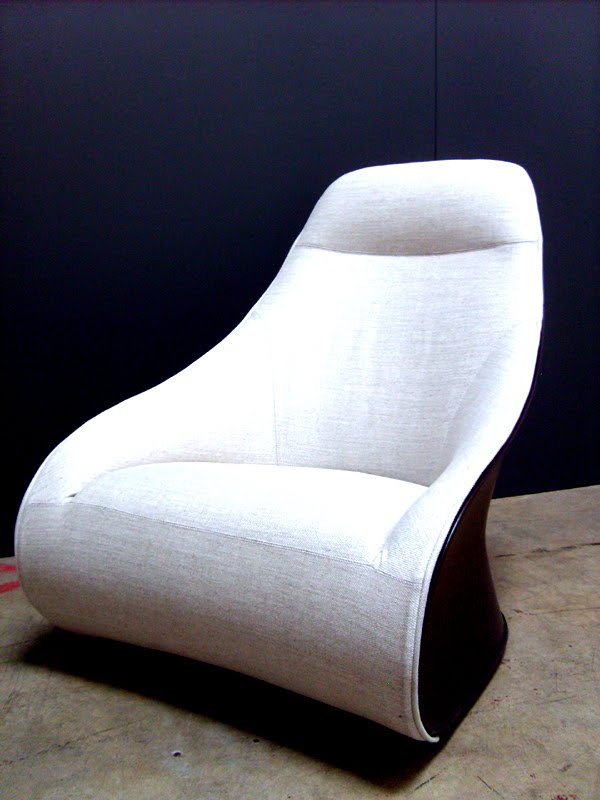
Derby designed by Noe Duchafour Lawrence

Gilda designed by Carlo Mollino 


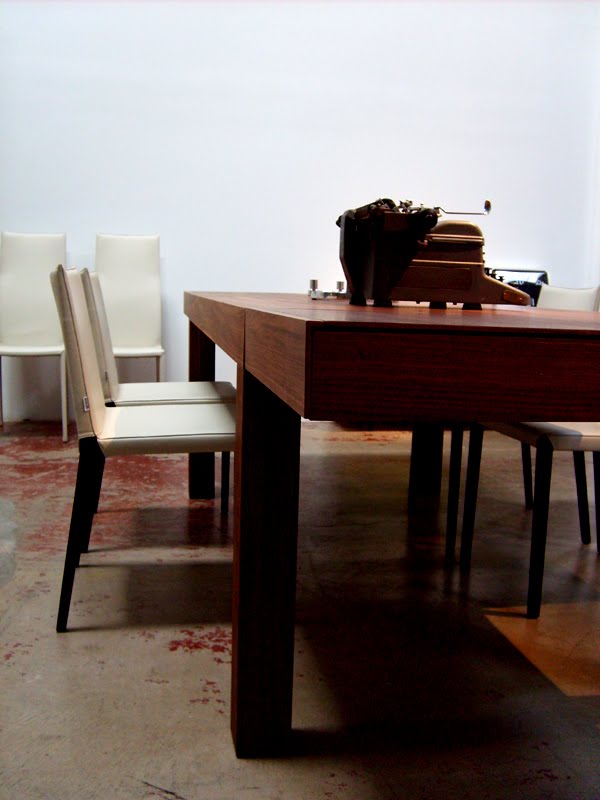
Tod table designed by Tod Bracher


Canaletto table designed by Emaf Progetti

We have also added a few new pieces to our Zanotta display.

The William is a new collection by British designer Damian Williamson. It responds to two basic needs: the sense of touch and proportion. The design of the William stems from the idea of deconstructing the sofa into "comfort layers", not just visually but also in practice, beginning from the structural bottom layer, moving up to the central layer of polyurethane foam and finally to the soft top layer made of goose down. The resulting three layers provide a unique and inviting detail, as they seem to be floating atop die-cast aluminum legs. The William was presented at the Milan Furniture Fair this past April and is already a success. Included in the collection are sofas, an armchair, ottoman, and day bed.

The William with the Tod side table

The Sacco, designed over 40 years ago by 3 architects from Turin, Giatti, Cesare Paolini, and Franco Teodoro, is truly an iconic piece. It has received several international awards, was exhibited in 1972 at the MOMA in New York, and today is part of the permanent collection of 26 international museums. While there have been many imitators over the years, there is only one original and authentic Sacco.


Our newest Sacco

The Lia/Lio collection has been a popular staple in the DZINE showroom, thanks to its stylish yet comfortable design. Designed by Roberto Barbieri, the collection was a remarkable innovation in chair design, reducing the construction to a simple aluminum frame with a removable cover. Our newest additions include Lia dining chairs and Lio bar stools, part of the complete collection of 9 chairs and stools.

Wednesday, September 15, 2010

Martino Zanotta awarded Gold Medal for "Industrial Merit"

Martino Zanotta, the President and CEO of Zanotta SpA, was awarded the Gold Medal for Industrial Merit.  The award was presented by Confindustria Monza and Brianza last October at the closing ceremony of the Association's annual assembly at the Formula One Racetrack of Monza. Martino received this award as "recognition of the intense and constant activity dedicated to the development of the business"-founded by his father Aurelio in 1954-which today confirmed a long entrepreneurial tradition in industrial design. The award was presented before the Italian Prime Minister, Silvio Berlusconi, the National President of Confindustria, Emma Marcegaglia, and the President of Confindustria Monza and Brianza, Renato Cerioli.


Prime Minister, Silvio Berlusconi, Martino Zanotta, National President of Confindustria, Emma Marcegaglia, and President of Confindustria Monza and Brianza, Renato Cerioli.